

The Executive Experience: Why Top CEOs Rely on Chauffeured Transportation
A packed day leaves little room for guesswork: an early flight, a fixed board meeting, a roadshow that cannot run long. Driving alone or waiting on a live match works, most of the time, but neither settles exactly when a car shows up. A live match is a rideshare app’s in-the-moment pairing between rider and car. Executive transportation changes one thing about a day like that: when the vehicle actually gets confirmed.
The Booking Matters More Than the Backseat
A live match assigns a car once a request goes in, so the vehicle and the wait remain unclear until that moment. Confirming the vehicle ahead of time works differently. The same vehicle stays booked for one set time, confirmed well ahead of departure, with nothing left to arrange later.
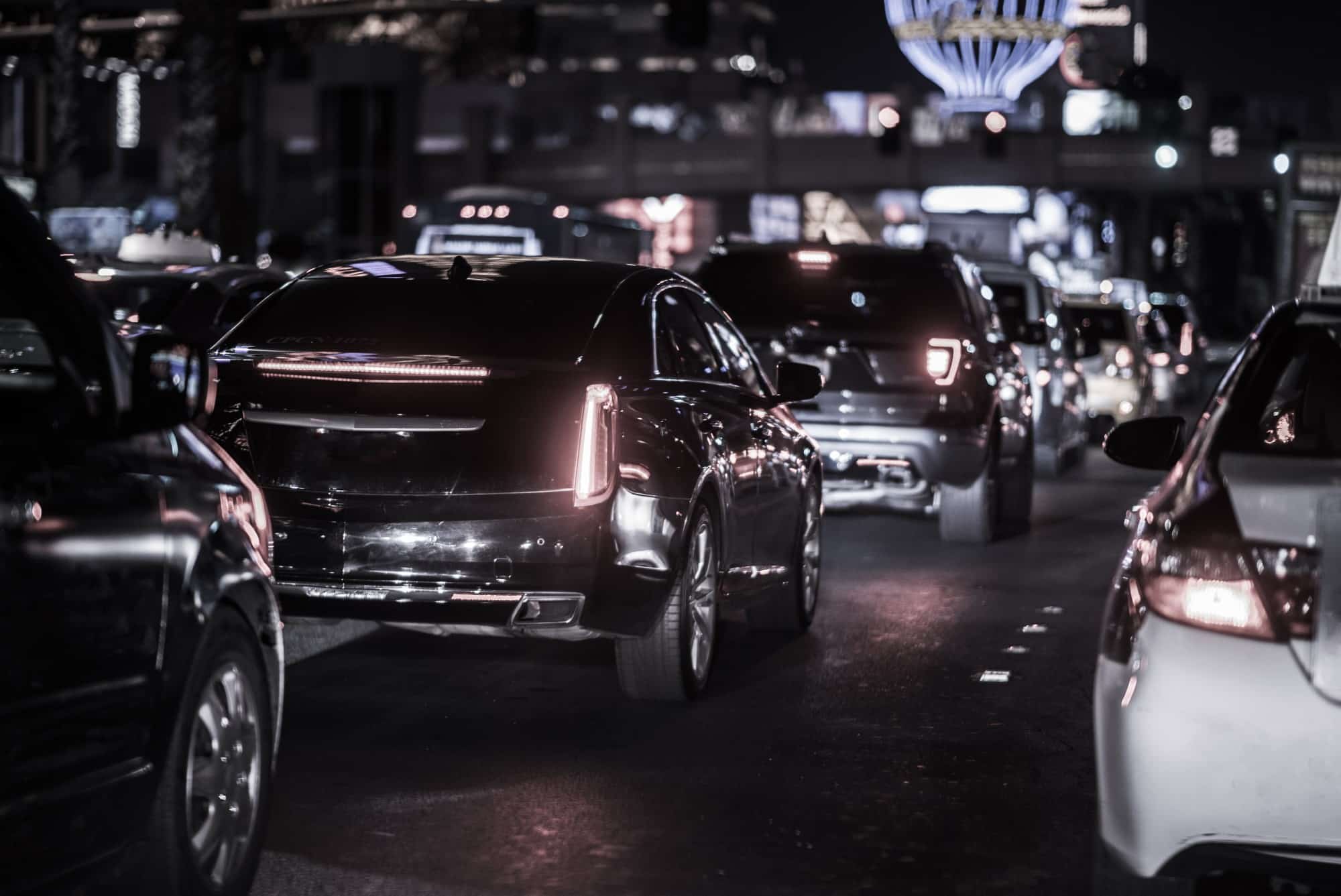
That difference matters most on a morning when downtown traffic decides how things start. Vancouver’s Lions Gate Bridge and the Granville Bridge corridor slow to a crawl through most weekday rush hours. A board meeting with a set start has no cushion for a car that arrives ten minutes late.
There’s a second expense, harder to put a number on. Watching for a live match, checking a route, and finding parking are three more decisions on an already full morning. Doing that ahead of time removes all three from the list, so none of them compete with whatever’s actually on the agenda.
Still on the Clock, Even in the Back Seat
The same certainty extends past the door: what happens inside the car counts as much as when it arrives. British Columbia’s distracted driving law targets whoever is behind the wheel, not a passenger. Reviewing a document or taking a call from the back seat carries none of that restriction.
This distinction stands out most ahead of an investor call that starts the moment the car stops. An executive can finish a review, wrap a call, or read through notes again, with the door still closed. Nobody else’s stop gets in the way, since the car goes straight from one address to the next.
Three Trips That Explain the Rest
Private aviation executives skip YVR’s main terminal entirely, arriving through a fixed-base operator like Signature Aviation, Skyservice, or Million Air. The car meets them at the operator’s own entrance, not a curbside line shared with commercial arrivals.
A downtown hotel stop, the Fairmont Pacific Rim or Rosewood Hotel Georgia among them, holds one fixed time on the itinerary. One board member usually makes a stop like this by sedan, with room to work the whole way.
A roadshow that pushes into Seattle adds a border wait on top of the drive south. A live match cannot account for that wait in advance. For a team coordinating stops across more than one city, an executive van keeps a group of six or seven moving together. A wider leadership group scales up to an executive bus seating 24 to 31. Every stop stays on one vehicle from the morning’s first departure to the last.
The Practical Differences Worth Knowing
Booking ahead changes a few practical details too:
- A fixed appointment, like an investor call or a flight connection, carries a real cost when it starts late.
- A rideshare match gets requested one leg at a time, so a busy day usually means a new car at each address.
- One vehicle covers the entire day instead.
- Some executives book their own trip directly, while others rely on an assistant or coordinator, especially on a multi-stop day.
- Booking further ahead leaves more room to confirm the right vehicle for a packed meeting day.
Where Booking Ahead Matters Most
None of this is really about comfort. It pays off most on the days a late stop would cost more than the fare. For many companies, that cost sits on the same line as a hotel room or a flight, filed as a corporate expense. The value shows up on the one morning when nothing on that itinerary can afford to run late.
Latest Blogs
- Forest Trails to Food Stops: Things to Do in Coquitlam
- YVR on a Plate: A Vancouver Airport Food Map
- A Slow Day in Fairhaven, Just Across the Border
- What a Week of Tsawwassen Ferry Parking Actually Costs
- Vancouver to Seattle Drive Time: What the Border Actually Adds
- Surrey Fusion Festival 2026: How to Make the Most of the Weekend
- Abbotsford International Airshow 2026: What’s Flying, What to Book, and What to Bring
- Richmond Night Market Survival Guide: Food Stalls, Weekend Crowds, and Getting There
- FIFA Fan Festival Vancouver 2026: What Fans Should Know Before Going
- Maximizing Productivity on the Go: Business Travel Hacks for Executives